
Flashing Repair in Pittsburgh — Real Metalwork, Not Another Layer of Tar
Somebody already smeared roofing cement on that flashing, didn’t they? It held a season, then the leak came back. Flashing is metalwork — and that’s how we repair it.
Here’s the life story of most flashing leaks in this city: the metal around a chimney or wall starts letting water in. Someone climbs up with a caulk gun or a bucket of tar, covers it, and collects the check. It holds through summer. Then winter’s freeze-thaw gets to work — the tar stiffens, cracks, and peels away from the metal — and by spring the stain on the ceiling is back, except now there’s a layer of black goop making the real repair harder.
Roof Repair Specialist Pittsburgh treats flashing for what it is: sheet metal work. We remove the failed metal and the old tar, bend new flashing to fit, and lock it into the structure the way it was meant to sit. Done that way, a flashing repair outlives the shingles around it.
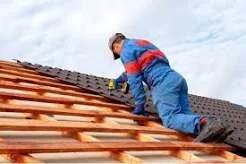
What Flashing Is — and Where Yours Is Failing
Flashing is the metal that seals every place your roof meets something that isn’t roof. Shingles shed water down a slope; they’re useless where the slope stops. That’s flashing’s job, and it lives in a handful of places:
Around the chimney
The most common failure point on any Pittsburgh roof. It's two layers of metal working together — step flashing woven into the shingles, and counter flashing set into the chimney's mortar joints over top. When the mortar crumbles or the metal rusts through, water follows the brick straight into the house.
Along walls
Wherever a roof slope runs into a wall — a dormer, a second story, an addition — step flashing tucks under the siding and over each shingle course. Additions are a hotspot: they're often where a builder cut corners.
Around skylights
A skylight is a hole in your roof with a frame around it. The flashing kit sealing that frame fails long before the glass does.
At the roof edges
Drip edge guides water off the roof and into the gutter instead of behind it. Missing or bent drip edge quietly rots the wood along your eaves.
If your leak shows up near any of these, flashing is the first suspect — before the shingles, before the roof’s age, before anything.
Why Tar Keeps Failing (and Metal Doesn't)
Roofing cement has a real job: small emergency patches and sealing minor gaps. What it can’t do is replace structure. Tar is rigid where flashing needs to flex, it shrinks in the cold, and Pittsburgh hands it dozens of freeze-thaw cycles a winter to crack it open. Worse, a thick tar patch can trap water behind it, so the leak continues invisibly while the ceiling stays dry — until the wood underneath has had enough.
A metal repair works because it does what the original did, new: fresh step flashing bent on site to match your roof, counter flashing cut into a clean mortar joint — not glued to the brick face — and every piece overlapped so gravity does the sealing. No goop required, nothing to peel.
One honest boundary: if your chimney’s brick or crown is crumbling, that’s masonry, not roofing. We’ll repair the flashing and the mortar joint it sits in — and if the chimney itself needs a mason, we’ll tell you straight instead of tarring over a structural problem.

Flashing Repair Cost in Pittsburgh
Most flashing repairs cost $200–$ 1,000 but minor and major damages decide dthe fnal coast.. Resealing counter flashing into a mortar joint sits at the low end; a full chimney flashing rebuild — new step and counter flashing all the way around — sits at the top. Copper work on historic homes is quoted after we see the roof, because material drives the price. As always: one flat written price before any metal gets bent, photos of what we found included.
Flashing Questions, Answered Straight
Depends what they saw. Rusted-through or lifted flashing is a leak that just hasn’t picked its storm yet — fix it this season. Tar-covered flashing that’s still holding buys you time, but it’s already on the clock. Send us the inspection photos and we’ll give you a straight read for free.
If the metal is sound and only a joint has opened, yes — and we’ll say so, because it’s a cheaper visit. But sealing over rusted or detached flashing is exactly the tar cycle this page is about. We won’t sell you a repair we know fails by spring.
Properly installed galvanized or aluminum flashing outlasts the shingles around it — decades. Copper, common on Squirrel Hill and Shadyside slate roofs, can outlast the house.
It’s the first suspect but not the only one — a cracked crown or porous brick can mimic a flashing leak. Part of our inspection is telling those apart, so you fix the right thing once.
Yes. Historic slate and tile roofs get copper repaired with copper — mixing metals causes corrosion and looks wrong on a hundred-year-old roof.
Stop Re-Tarring the Same Leak
One inspection, photos of the metal that’s failing, and a flat written price to rebuild it properly. Roof Repair Specialist Pittsburgh — flashing done as metalwork, warrantied in writing for 5 years.