
Shingle Repair in Pittsburgh — Matched Right, So the Patch Disappears
A few missing shingles shouldn’t mean a new roof — and it shouldn’t mean a mismatched square that’s visible from the street either. Roof Repair Specialist Pittsburgh repairs shingle damage with matching material and tells you honestly when a roof is genuinely past repair.
Shingle damage puts homeowners in an awkward spot. Call a big roofing company about six missing shingles and one of two things happens: they don’t call back, because the job’s too small to bother with — or they show up and quote you a full replacement, because that’s the job they wanted.
We built our shingle work around a different idea: small repairs are worth doing, and worth doing well. That means showing up for the six-shingle job, matching the material so the repair doesn’t announce itself, and only talking replacement when the roof itself — not the salesperson — says it’s time.
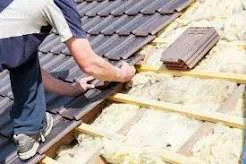
What Your Shingles Are Telling You
You can read a lot from the ground. Here’s what the common damage actually means:
Missing shingles
Wind got under the edge and took them. The exposed spot is leaking-in-waiting — the black paper or wood you can see was never meant to face weather.
Creased or lifted shingles
The sneaky one. A gust folds the shingle back, it settles into place, and it looks fine — but the crease broke it and the seal underneath. These fail in the next storm, and they're the damage most homeowners miss after wind.
Curling or cupping edges
The shingle is drying out and pulling away at the corners. One section curling can be repaired; curling across the whole roof is the beginning of the replacement conversation.
Bald spots & granule loss
Those sandy granules in your gutters are the shingle's sun protection washing away. Thin, shiny patches mean that section is aging fast.
Cracked or split shingles
Freeze-thaw does this to older shingles — water gets into a tiny split, freezes, and opens it wider every winter.
Repair or Replace? Here's How We Actually Decide
No mystery. Three questions:
How much of the roof is damaged?
Damage in one area — a slope that caught the wind, a section under a tree — points to repair. Damage scattered across every slope points the other way.
How old are the shingles?
Under 15 years or so with sound wood underneath: repair is usually money well spent. Past 20, putting new shingles next to worn ones is patching a roof that’s retiring anyway — sometimes still worth it to buy a few years, and we’ll say so if it is.
What's under them?
We check the wood beneath before quoting. Solid deck: repair with confidence. Soft or rotted sections: that changes the math, and you’ll see the photos either way.
You get our answer in writing, with the reasoning — not just a number. And if the honest answer is “this roof has five good years left, save your money,” that’s the answer you’ll get.
The Matching Problem (And How We Solve It)
Here’s what separates a repair from an eyesore: the match. Shingle colors get discontinued, weather ages the originals, and a fresh patch in almost-the-right-color can be visible from down the block.
We match three ways. First, we identify your shingle line and source the real thing — we keep and source the common Pittsburgh-area brands and colors. Second, for discontinued shingles, we borrow: material comes off a hidden slope or a spot behind the chimney, goes where it shows, and the new off-color shingles go where nobody looks. Third, on repairs near the ridge or edges, we rebuild the ridge caps and lines so the section blends instead of stopping at a hard border.
Small thing? Not if you’re selling the house, and not every time you pull into the driveway.

Straight Numbers
Shingle repairs typically run $[XXX]–$[XXX] depending on how many shingles, how steep the roof, and how hard the access. Full replacement is a different conversation with a written quote after inspection — but you’ll never hear a replacement price until we’ve shown you why repair won’t do.
Shingle Questions, Answered Straight
Usually, yes — and when the color’s discontinued, we move matching shingles from a hidden slope to the visible repair. The goal is a repair you can’t find from the street.
It can be — wind damage is typically covered. We photograph the damage properly and give you a written scope you can hand to your insurer. For a handful of shingles, though, sometimes the repair costs less than your deductible; we’ll tell you which side of that line you’re on.
Yes — a creased shingle has already failed, it just hasn’t rained the right way yet. They’re the cheapest repair on this page while they’re still just creased.
Yes. Small repairs are the core of what we do, not the leftovers.
Most are done in a single visit of a few hours, including the magnet sweep of your yard for nails afterward.
Six Shingles or Sixty — Get It Fixed Before the Next Storm
Free inspection, a written repair-or-replace answer with photos, and a matched repair you won’t see from the street.